

Spot change-of-use triggers early, so you can plan approvals properly and avoid redesigns, rework, and opening delays.
In WA, a fitout can move fast until it quietly crosses into “change of use”, then everything slows down. This guide shows the common triggers, what usually causes hold-ups, and how to de-risk the process using a simple, documented approach. For a broader compliance overview, start with WA’s commercial building rules quick guide.
What you’ll learn: the change-of-use triggers that catch people out in Perth, how planning, building and occupancy approvals interact, and the practical checks that reduce back-and-forth and time blowouts.
- Clearer approvals pathway
- Fewer last-minute redesigns
- Less authority back-and-forth
- More confidence in your opening date
- Lower variation risk from compliance surprises
What “change of use” means in a WA fitout
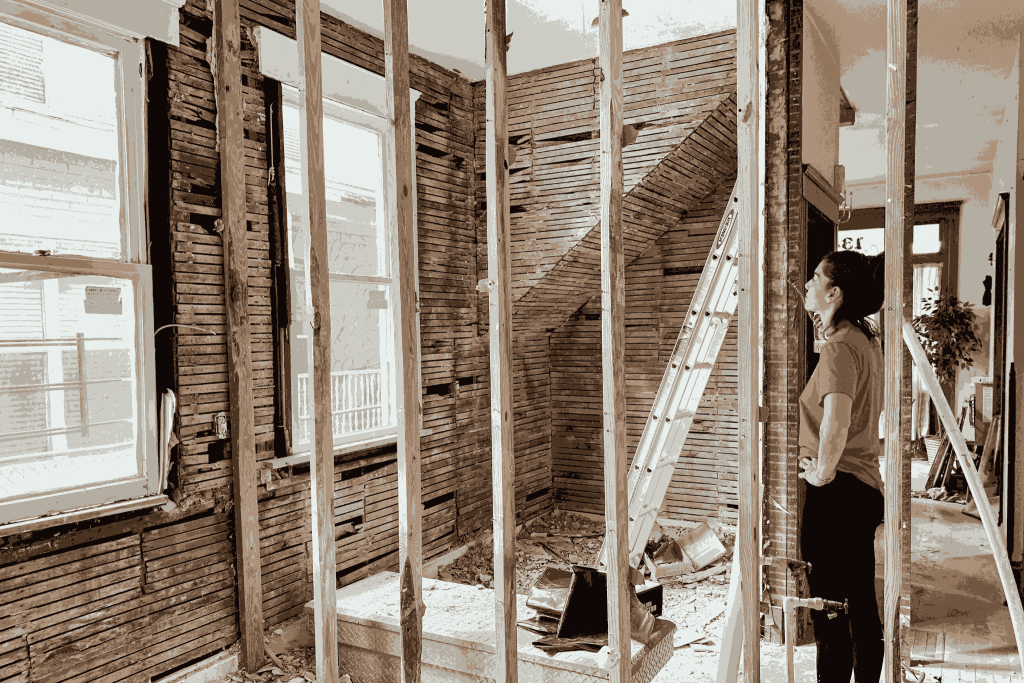
A change of use is not just a new tenant or a new layout. It is when the approved use of the space changes, or the building classification changes, or the building needs to meet different safety, access, and services requirements because of how it will be used.
In simple terms, if the way people occupy the space changes, the rules that apply can change too. That is where approvals, documentation, and inspections often expand.
For a quick reference on classifications, see the NCC building classifications guide.
The triggers that turn a fitout into a change-of-use problem
1) The NCC classification changes, or you introduce mixed use
Common examples in Perth include:
- Office becoming medical, allied health, training, or education
- Retail becoming food and beverage, or adding a kitchen beyond “warm-up” style prep
- Warehouse space becoming customer-facing, public assembly, or office-heavy
- A tenancy being split, combined, or reconfigured into multiple uses
Even if only part of the tenancy changes, it can still trigger extra requirements for that area.
2) Occupancy increases, or the egress strategy changes
Delays often start when the new layout:
- Adds more people to the space at peak times
- Creates longer travel distances to exits
- Adds internal rooms, partitions, or dead ends
- Changes door swings, corridor widths, or access to exits
Small layout moves can force bigger compliance changes than people expect, especially once the “final plan” is reviewed.
3) Fire safety and essential services need re-validation
The more the use changes, the more likely it is that fire safety items need review, such as:
- Detection, alarms, and emergency lighting
- Fire and smoke separation
- Fire-rated doors and penetrations
- Fire services interfaces and commissioning evidence
These items can be straightforward when planned early, and painful when discovered late.
4) Accessibility and amenities requirements step up
A change of use can shift what is expected for:
- Accessible paths of travel
- Accessible amenities
- Door clearances and circulation spaces
- Waiting areas and public interface points
This is a common “design freeze” delay, because it can affect the entire layout.
5) Mechanical, plumbing, and trade waste loads change
The use of a space often drives service upgrades. Common triggers include:
- Introducing cooking, grease exhaust, or higher ventilation demand
- Adding more basins, clinical-style plumbing, or trade waste requirements
- Increasing electrical loads, equipment density, or HVAC zones
- Changing acoustic performance needs due to new activities
Services are where budgets and programs get hit hardest, so this is worth confirming early.
6) Planning impacts, parking, signage, and neighbour considerations shift
Even when the building side is manageable, planning considerations can slow things down if the new use:
- Changes hours of operation
- Increases patron numbers or deliveries
- Introduces noise, odour, or waste impacts
- Triggers parking expectations or loading requirements
- Requires new or different signage approvals
Planning vs building vs occupancy in WA, what usually needs to line up
A lot of delays come from treating approvals as one step. In reality, you are often coordinating three moving parts:
- Planning, which deals with whether the use is permitted and on what conditions
- Building approvals, which deal with building work and compliance
- Occupancy approval, which confirms the building or area is approved to be occupied for that use
For the building approvals side, the WA Building and Energy overview is a useful starting point: Building approvals in WA.
The key risk is sequence. A planning condition can change the design, and the design then changes the building compliance pathway. If those are not aligned early, you get redesign loops.
How to avoid change of use delays: a practical process
Step 1: Confirm what is approved right now
Before you design, gather what the site is actually approved for:
- Existing approved plans (not just leasing plans)
- The approved use of the tenancy
- Any known conditions that impact layout, services, or fire safety
- What the base building provides versus what the tenancy must provide
If the documents are unclear, treat that as a risk to solve early, not later.
Step 2: Define the proposed use in one sentence
Write a plain-English description of how the space will operate, including:
- What the business does in the space
- Whether customers attend on-site
- Peak activity times, and how many people might be there
- Any special equipment, cooking, treatment, or training activities
This “one sentence” becomes your alignment tool across design and approvals.
Step 3: Run an early trigger check before concept design locks in
Do a quick review of the big trigger areas:
- Classification and mixed use
- Egress and occupancy changes
- Fire safety strategy implications
- Accessibility and amenities impacts
- Mechanical and hydraulic implications
The goal is not perfect certainty. The goal is to avoid discovering a major trigger after drawings are “finished”.
Step 4: Build a lodgement-ready documentation pack
The fastest projects are the ones that present a clear, consistent story:
- Scope and proposed use summary
- Coordinated floor plan and reflected ceiling plan where needed
- Services intent, especially HVAC, exhaust, hydraulics, and electrical
- Fire safety notes where relevant
- Any staged works plan if the site is operating during the fitout
Incomplete or inconsistent documentation is one of the most common reasons for delays.
Step 5: Program the build around the approval realities
Avoid planning the build like “approve, then build” without buffers for reviews and revisions. Build programs usually slip when:
- Long-lead items are selected late
- Service upgrades are discovered during demolition
- Compliance items are priced after the design is final
- Site works begin before the approval pathway is fully understood
| Examples of small changes that can cause big delays | Common mistakes that create change-of-use blowouts | Quick checklist and next steps |
| Turning a “staff kitchenette” into a higher-intensity food prep area, which can change ventilation and waste requirements.
Adding treatment rooms and patient flow to an office layout, which can shift access and amenity expectations. Converting storage into training or group activity space, which can affect occupancy and egress. Splitting one tenancy into multiple tenancies, which can change fire separation and services coordination |
Assuming landlord approval equals authority approval
Designing first, then checking compliance after the layout is locked Treating “fitout works” as minor when the use has materially changed. Under-scoping mechanical, hydraulic, and electrical impacts. Leaving fire safety and essential services requirements to the end. Not aligning planning conditions with the building compliance pathway. |
Use this before you commit to a fitout budget or timeline:
Confirm the existing approved use and available documentation. Define the proposed use clearly, including how the space will operate day-to-day. Identify likely triggers, classification, egress, fire safety, accessibility, and services. Coordinate documentation early, so reviews do not bounce between consultants. Plan procurement and staging around approvals, not just construction sequencing. |
Wrap-up
Change of use is not a scary label; it is a planning and compliance reality that needs early clarity. The projects that open on time are usually the ones that confirm triggers upfront, document the intent clearly, and avoid redesign loops once approvals are in motion.
When you are ready to move from “concept” to “deliverable”, see how Chest approaches commercial fitouts in Perth. For the wider compliance picture, revisit WA’s commercial building rules quick guide.
Contact us to sanity-check your proposed use and the likely approval triggers before you lock in design and spend.
FAQs
Do I need a change of use for my fitout in WA?
Not always. It is more likely that when the approved use changes, the NCC classification changes, or occupancy and safety requirements shift due to how the space will operate.
Does a new tenant automatically mean a change of use?
No. A new tenant can still be the same approved use. The risk is when the tenancy’s function changes, for example, from office to medical, or from retail to food and beverage.
What building classification changes tend to trigger more approvals?
Changes that alter how the public uses the space, how many people are there, and what fire safety, access, and amenities are required. Mixed-use layouts can also increase complexity.
What should I confirm before I lock in design?
The existing approved use, any available approved drawings, base building constraints, and a clear one-sentence description of the proposed use and how it will operate.
What causes the biggest delays once “change of use” is on the table?
Late discovery of fire safety, egress, accessibility, or services upgrades, plus inconsistent drawings and documentation that create authority back-and-forth.
Can I value engineer without creating compliance issues?
Yes, but it needs discipline. Keep the proposed use, occupancy assumptions, and compliance requirements consistent while adjusting materials, finishes, and non-critical scope items.