
Signing a commercial lease is a major commitment. Whether you’re opening an office, expanding your retail business, or moving into a warehouse, the property you choose can affect your construction budget, operations, and future growth.
Quick Takeaways
- A good location doesn’t always mean a suitable building.
- What you overlook before signing can cost you more later.
- Plan your fitout before committing to a commercial lease.
In Western Australia, commercial leases are a recurring source of small-business conflict. The Small Business Development Corporation’s free dispute resolution service finalised 369 disputes in 2024–25, including several commercial tenancy disputes, while its advisers provide specialised support on commercial leasing under the Commercial Tenancy (Retail Shops) Agreement Act 1985.
Common flashpoints include rent reviews, make-good obligations, repairs, outgoings, renewal rights, and early termination—issues that are far easier to address before signing than after.
And here’s something I’ve learnt from more than 25 years in the building industry: a commercial property that looks good during an inspection isn’t necessarily ready for your business.
A business owner might find a property in a great location with reasonable rent, only to discover that the electrical system needs upgrading, the layout doesn’t meet operational requirements, or the proposed fitout needs additional approvals.
These issues can quickly turn what looked like a good leasing decision into an expensive project.
I’ve worked across commercial fitouts, industrial facilities and specialised construction projects throughout Perth and Western Australia. One thing I’ve consistently seen is that problems become more expensive when they’re discovered after construction begins.
Before signing a commercial lease, here are seven things I’d recommend checking.
1. Assess the Building’s Structural Layout and Limitations
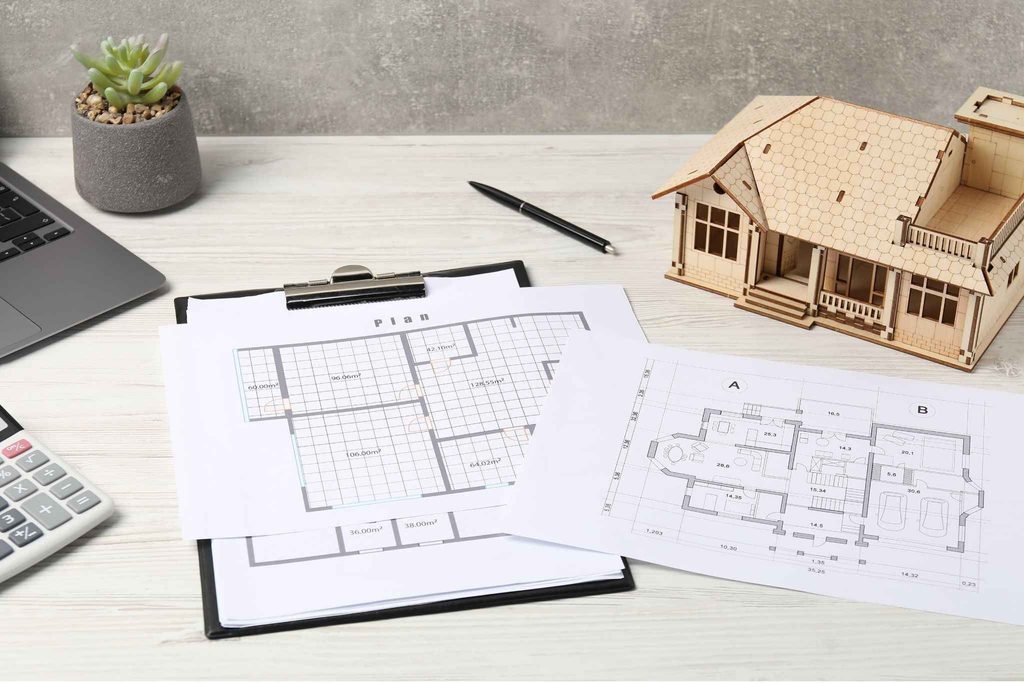
Before committing to a commercial property, establish whether the existing structure can accommodate your proposed fitout.
A spacious building might look suitable during an inspection, but structural elements can restrict what you’re able to change.
Pay attention to:
- Load-bearing walls and columns: These may limit open-plan layouts or internal modifications.
- Ceiling heights: Check clearances for equipment, storage and mechanical services.
- Floor load capacity: Particularly important for warehouses, heavy machinery, and storage systems.
- Structural modifications: Determine whether proposed openings, mezzanines or extensions are feasible.
- Existing building plans: Review available drawings to identify structural constraints.
For example, a warehouse might have sufficient floor space but lack the structural capacity for a proposed mezzanine. Strengthening the building could significantly increase construction costs.
Don’t judge a property by its floor area alone. Have a qualified professional assess its structural suitability before committing to major alterations.
2. Check the Building’s Energy Efficiency and Building Services
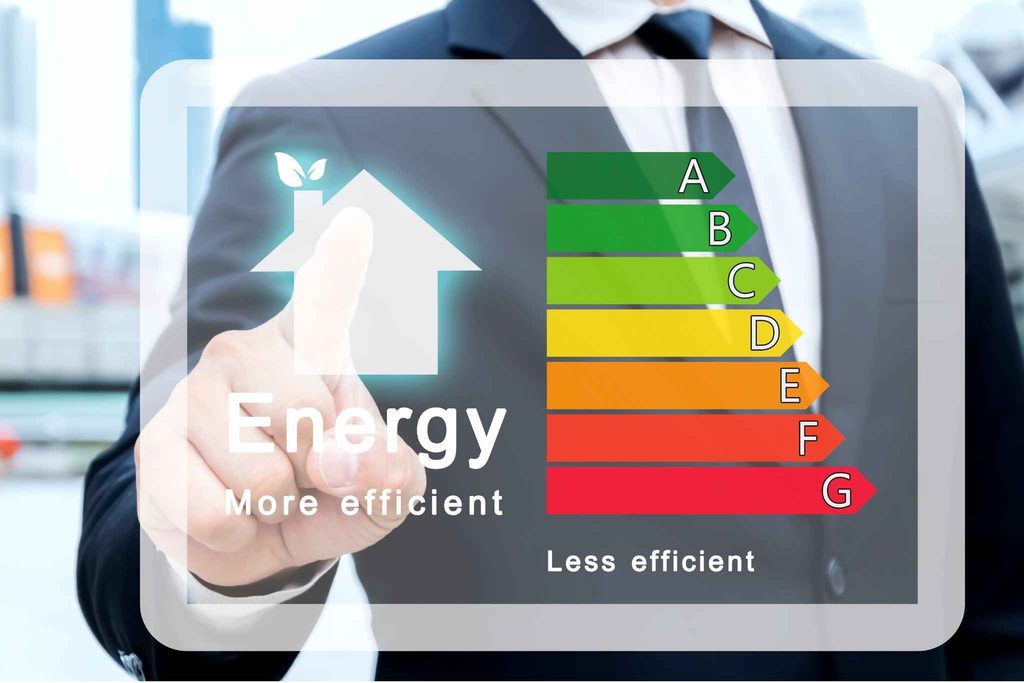
Energy efficiency isn’t always the first consideration when inspecting commercial premises, but it can affect operating costs for years.
Older buildings may have outdated lighting, inefficient air conditioning, or poorly insulated spaces that require more energy to maintain comfortable working conditions.
Before signing, check:
- Heating, ventilation and air conditioning (HVAC): Are the systems appropriately sized and energy-efficient?
- Lighting: Does the property use efficient LED lighting, or will upgrades be necessary?
- Insulation and glazing: Can the building maintain comfortable indoor temperatures without excessive energy consumption?
- Electrical infrastructure: Is there sufficient capacity for existing equipment and future expansion?
- Energy management: Are there opportunities to install smart controls, sensors, or other efficiency improvements?
In Perth, where summer temperatures can place considerable demand on cooling systems, the performance of a building’s air conditioning and insulation deserves particular attention.
I’ve seen how building services can influence the scope of an office fitout in Perth. What initially appears to be a straightforward refurbishment can become more involved when existing systems need upgrading.
Consider the long-term operating costs alongside the improvements required to make the building energy-efficient.
3. Understand the Fitout and Renovation Restrictions
Leasing a commercial property doesn’t automatically mean you can modify it however you like.
You might want to remove partitions, relocate plumbing, upgrade lighting, or completely redesign the interior. However, your lease may restrict certain alterations or require written landlord approval.
Before signing, clarify:
- Which renovations and fitout works are permitted?
- Are structural modifications allowed?
- Who is responsible for obtaining approvals?
- Who pays for improvements?
- Will you need to remove installed fixtures when the lease ends?
That last question is particularly important.
A make-good clause may require you to restore the premises to an agreed condition when your tenancy finishes. This could involve removing partitions, flooring, joinery, or other improvements.
These are additional construction costs that should be understood before committing.
At Chest Constructions, our commercial fitout services involve assessing existing spaces and coordinating construction requirements around each business’s needs.
Getting the lease conditions clear from the beginning helps avoid unnecessary redesigns and disputes later.
4. Confirm Building Compliance and Approval Requirements
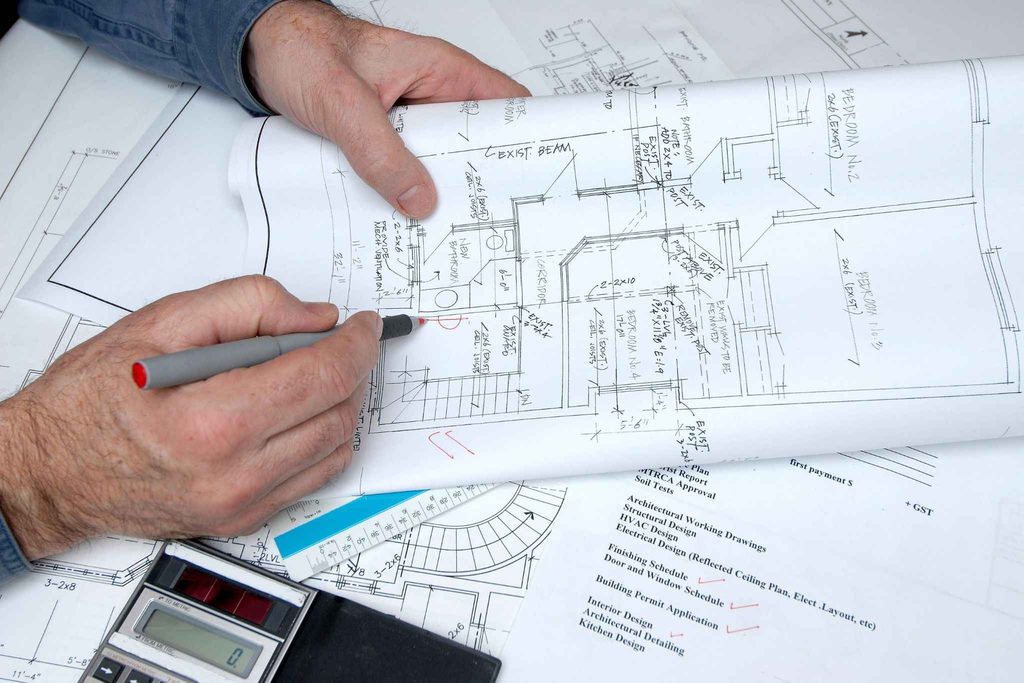
Just because a property was previously occupied doesn’t mean it’s automatically approved for your intended business.
Converting an office into a medical clinic, for example, may introduce different requirements for accessibility, fire safety, plumbing, and ventilation.
Depending on the proposed use and construction works, you may need to consider:
- Local planning and zoning requirements
- Building permits and occupancy requirements
- Fire safety systems and emergency exits
- Disability access and amenities
- Ventilation, electrical and plumbing compliance
- Applicable National Construction Code requirements
The National Construction Code establishes technical requirements for Australian buildings.
In Western Australia, approval requirements depend on the building’s classification, intended use and scope of work.
I’ve discussed these issues in our guide to commercial fitout approvals in WA.
One of the biggest mistakes businesses can make is assuming that internal renovations won’t require approvals.
Confirm the approval pathway before signing, particularly if you’re changing how the premises will be used.
5. Inspect the Existing Building Condition
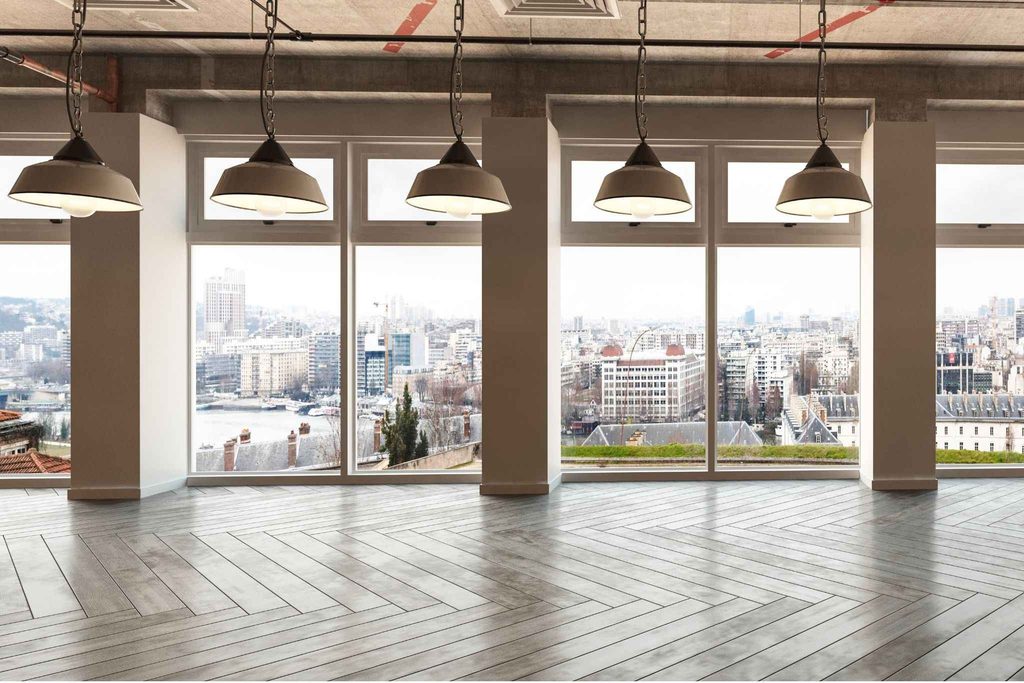
A freshly painted commercial property can look impressive during an inspection. But what’s behind the walls, above the ceilings and underneath the floors can be far more important.
Before signing, arrange an appropriate building inspection and pay attention to:
- Roofing and water damage: Look for leaks, dampness and signs of deterioration.
- Electrical systems: Check the condition and safety of existing installations.
- Plumbing and drainage: Identify leaks, blockages or outdated infrastructure.
- Walls, ceilings and flooring: Look for cracks, damage and uneven surfaces.
- Hazardous materials: Older buildings may contain asbestos or other materials requiring specialist assessment.
For example, water damage hidden above a suspended ceiling might not become apparent until refurbishment begins.
I’ve worked in construction long enough to know that unexpected site conditions can affect budgets and timelines.
Investigate the condition of the building before committing to a fitout budget. Surprises are easier to manage before construction starts.
6. Review the Lease Term, Renewal Options and Exit Conditions

A commercial lease isn’t just about moving into a property. It’s also about understanding your obligations over the coming years.
This becomes particularly important when you’re investing substantial money in renovations or a new fitout.
Before signing, review:
- The initial lease term and renewal options
- Rent review arrangements
- Early termination conditions
- Assignment and subleasing rights
- Maintenance responsibilities
- End-of-lease make-good obligations
For example, investing heavily in a specialised fitout under a short lease could create financial pressure if renewal isn’t available.
In Western Australia, certain retail shop leases are regulated under the Commercial Tenancy (Retail Shops) Agreements Act 1985. The Small Business Development Corporation’s leasing guide is a useful starting point for understanding commercial tenancy considerations.
I’m a builder, not a leasing lawyer, so I’d recommend having a qualified commercial property lawyer review your agreement.
Understanding your lease obligations is just as important as understanding the building itself.
7. Get a Commercial Fitout Cost Estimate Before Signing
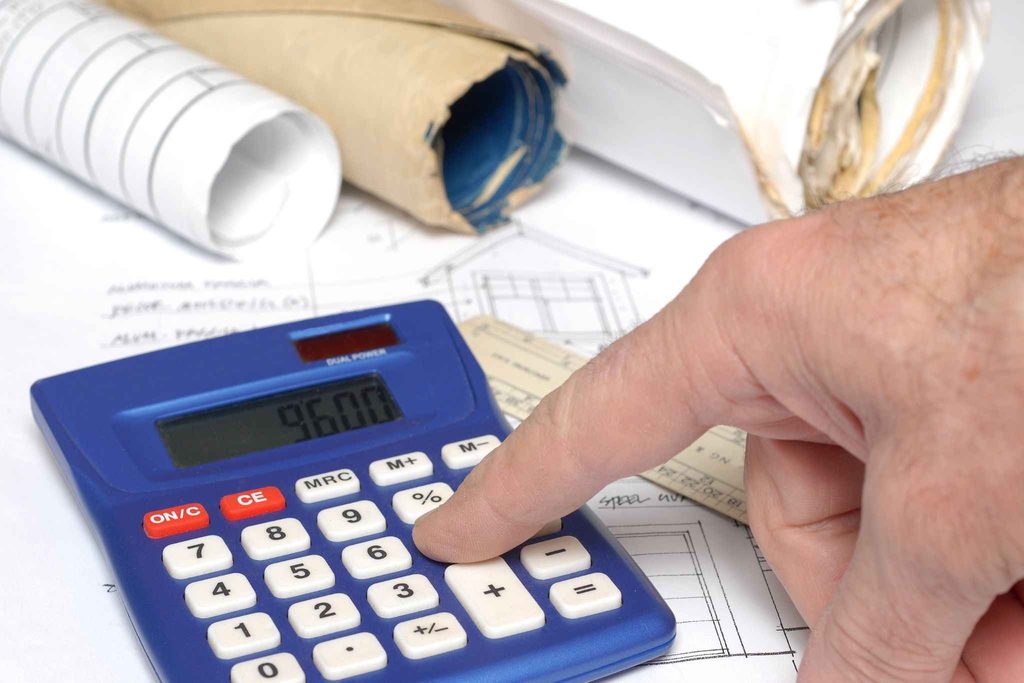
If there’s one construction-related step I’d strongly recommend before signing a commercial lease, it’s getting a realistic estimate of what the property will cost to fit out.
A commercial fitout involves more than installing partitions and selecting finishes.
Depending on the premises, you may need:
- Demolition and internal construction
- Electrical and lighting upgrades
- Plumbing and mechanical services
- Flooring, ceilings and joinery
- Fire safety and accessibility improvements
- Building approvals and documentation
The scope can vary significantly between properties.
A relatively straightforward office refurbishment will have different requirements from a medical clinic or industrial facility.
That’s why it’s worth consulting an experienced commercial builder in Perth before finalising your lease.
An initial construction assessment can help identify potential challenges, establish an indicative budget and determine whether the proposed fitout is realistic within your timeframe.
You may also be able to negotiate a rent-free fitout period or landlord contribution to improvements, depending on the property and lease terms.
The cheapest property to lease isn’t always the cheapest property to fit out. Understand the construction costs before making your final decision.
Why Speak to a Registered Commercial Builder Before Signing?
A commercial builder’s involvement doesn’t have to begin after you’ve secured the premises.
In fact, getting construction advice during the property selection stage can help you avoid costly mistakes.
At Chest Constructions, we’ve delivered commercial offices, retail fitouts, industrial facilities and specialised building projects throughout Perth and Western Australia.
Our focus is on understanding the project requirements, identifying potential construction challenges and planning practical solutions around the client’s budget and timeline.
As I often emphasise, successful commercial construction starts with proper planning, not simply getting the work underway.
Before committing to a commercial lease, make sure the property can accommodate your business requirements and construction plans.
With over 25 years of commercial construction experience, Chest Constructions helps businesses across Perth and Western Australia plan and deliver functional commercial spaces.
Planning a commercial construction project in Perth or WA?
Contact Chest Constructions to discuss your fitout requirements before signing your lease.
Frequently Asked Questions About Commercial Leasing and Fitouts
Can I renovate a commercial property I’m leasing?
Generally, you can undertake permitted renovations or fitout works, subject to the terms of your lease, landlord consent and any applicable building or planning approvals. Before starting construction, confirm which modifications are allowed and whether you’ll need to remove them when the lease ends.
Who pays for a commercial fitout, the landlord or the tenant?
It depends on the lease agreement and negotiations. Tenants commonly fund the fitout required for their business operations, although some landlords may offer fitout contributions, incentives, or agreed improvements.
Make sure these arrangements are documented before signing.
Do I need council approval for a commercial fitout in Perth?
Not every fitout requires the same approvals. The requirements depend on the existing building, its approved use and the proposed construction work. Changes involving layout, building services, accessibility or building use may require planning approval, a building permit or other certifications.
Consult the relevant local government and qualified building professionals before proceeding.
How much does a commercial fitout cost in Perth?
Commercial fitout costs vary depending on the size and condition of the premises, design requirements, materials, building services and compliance obligations. A basic office refurbishment will generally have a different cost structure from a medical fitout or an industrial facility requiring substantial services upgrades.
The best starting point is a site assessment and a clearly defined scope of work.
Should I engage a commercial builder before signing a lease?
If you’re planning renovations or a commercial fitout, speaking with a builder before signing can help identify potential building limitations, estimate construction costs, and assess whether the premises can accommodate your requirements.
It can also help you negotiate lease conditions with a clearer understanding of the work involved.
Disclaimer: This article provides general information about commercial leasing and construction considerations in Western Australia. It is not legal, financial, or regulatory advice. Seek independent legal advice about lease terms and confirm project-specific building and planning requirements with the relevant authorities and qualified professionals.